Tired of Straining Your Eyes Scrolling Before Bed? Soothing Screen Habits for Peaceful Evenings
Tired of that familiar scene—lying in bed, phone in hand, one quick scroll turning into twenty? You’re not alone. So many of us reach for our phones at night, hoping to unwind, only to end up feeling more restless, our eyes strained and our minds buzzing. That cool blue glow might seem harmless, but it’s quietly affecting your sleep, your mood, and even how you feel when you wake up. What if your evening screen time could feel softer, gentler—like a warm cup of tea instead of a jolt of caffeine? The good news is, with a few thoughtful tweaks, it can. Let’s explore how small, smart changes can turn your late-night digital moments into something that truly supports your well-being.
The Hidden Cost of Late-Night Scrolling
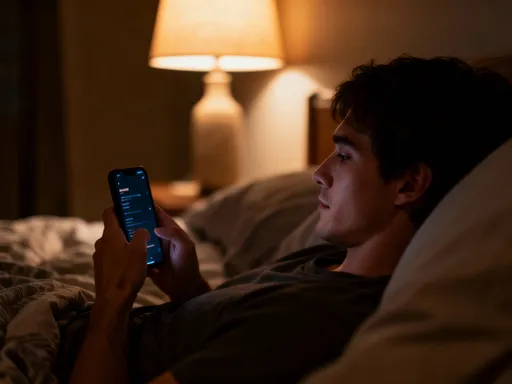
We’ve all been there—curled up under the covers, the rest of the house quiet, and the phone glowing in the dark like a tiny campfire. It feels so natural to check one last message, catch up on photos from a friend’s trip, or scroll through a few updates before sleep. But what starts as a peaceful pause often turns into a mental loop, pulling us further from rest instead of closer to it. The problem isn’t just the content; it’s how our screens behave in the evening hours. That bright white background, the rapid movement of videos, the endless stream of new posts—it all tells your brain, ‘Stay alert. There’s more happening. Don’t shut down yet.’
And then there’s your eyes. Have you ever noticed how, after a long session in the dark, your vision feels a little foggy? Maybe your head starts to ache, or your eyes feel dry and tired? That’s not just fatigue from the day—it’s your eyes working overtime to adjust to the contrast between the bright screen and the dark room. Think of it like walking from a dimly lit hallway into a brightly lit kitchen. Your eyes need time to adapt, and when they’re constantly switching back and forth, they get stressed. Over time, that stress adds up. You might not realize it during the day, but at night, when your body is trying to relax, those little tensions can keep you from truly unwinding.
But beyond the physical strain, there’s an emotional layer too. Late-night scrolling often pulls us into comparison, curiosity, or even mild anxiety. Seeing someone’s perfect vacation photo, a news update, or a heated comment thread can spark thoughts that linger long after you put the phone down. Instead of feeling calm, you might feel unsettled—like your mind is still ‘on,’ even when your body wants to rest. This isn’t about blaming yourself for using your phone. It’s about recognizing that the way we use technology at night can either support or sabotage our need for peace. And the good news? With a few simple shifts, you can reclaim those evening moments for real relaxation.
Why Evening Screen Comfort Matters More Than You Think
You probably already take care to create a cozy sleep environment—soft sheets, a favorite pillow, maybe a lavender-scented diffuser. But have you thought about how your screen fits into that picture? Just like your physical comfort matters, so does your digital comfort. The way your phone looks and feels in your hands at night can have a real impact on your mood, your stress levels, and how easily you fall asleep. It’s not about giving up your devices altogether. It’s about making them work with you, not against you.
Think of it this way: when you adjust your pillow for better neck support, you’re making a small change that leads to deeper rest. The same idea applies to your screen. Switching to a darker theme, reducing brightness, or slowing down the pace of what you’re viewing can signal to your brain that it’s time to relax. One mom I spoke with shared how she used to scroll through a popular video app every night, only to feel wired and unable to sleep. Then she switched to a photo-sharing app with softer visuals and turned on her phone’s night mode. ‘It was like switching from a neon sign to candlelight,’ she said. ‘I still got my little escape, but it didn’t leave me feeling jittery.’
And it’s not just about sleep. When your evening screen time feels gentle and intentional, it can actually become a form of self-care. Instead of draining your energy, it can help you reflect, connect, or simply enjoy a quiet moment. That shift in mindset—from mindless scrolling to mindful viewing—can make a surprising difference in how you feel overall. You start to see your phone not as a source of stress, but as a tool that can support your well-being, especially during those precious quiet hours. When you treat your digital experience with the same care as your physical comfort, you’re not just protecting your eyes—you’re nurturing your whole self.
Mastering Your Phone’s Night Mode Like a Pro
Let’s talk about one of the simplest, most powerful tools you already have: night mode. You’ve probably seen the option, but maybe you’ve never fully explored how to make it work for you. Night mode isn’t just a filter—it’s a way to soften the digital world so it feels more in tune with your evening rhythm. And the best part? You don’t need to be a tech expert to use it. Think of me as your friendly guide, walking you through it like we’re having a chat over coffee.
First, let’s find it. On most phones, you can turn on night mode by going into your display or accessibility settings. Look for something like ‘Night Shift,’ ‘Blue Light Filter,’ or ‘Dark Mode.’ Once you’re there, you’ll usually see options to adjust the warmth of the screen—how orange or yellow it looks. For evening use, try sliding it toward the warmer end. It might feel a little strange at first, like watching a movie with a sepia tone, but that warmth is actually what helps your eyes relax. Your brain responds better to these softer tones when it’s getting ready for sleep.
Now, here’s a pro tip: schedule it. Instead of remembering to turn it on every night, set it to activate automatically. You can choose a time—say, 7:30 PM—so it kicks in right when your evening begins. That way, you’re not fighting a bright screen when you’re already in pajamas and sipping tea. You can also adjust the brightness separately. Even in night mode, a screen that’s too bright can still be harsh. Try lowering it just enough that it feels comfortable in a dim room—like the glow of a nightlight, not a spotlight.
And don’t forget about individual apps. Some social platforms have their own dark themes. Instagram, for example, lets you switch to a darker background in settings. So does Twitter and Facebook. Turning these on means less white space, less glare, and a more soothing experience. You might also want to adjust text size so you’re not squinting. A little bigger text means less eye strain and more comfort. These changes might seem small on their own, but together, they create a screen experience that feels kinder, calmer, and more aligned with your need to wind down.
Creating a Digital Wind-Down Ritual
Rituals matter. That’s why so many of us have them—whether it’s brushing our teeth, reading a few pages of a book, or saying goodnight to the family. These small routines signal to our bodies that it’s time to shift gears. The same idea can apply to your screen time. Instead of letting it stretch on unpredictably, you can create a digital wind-down ritual that helps you transition gently from the busyness of the day to the quiet of the night.
Start by thinking about timing. When do you usually pick up your phone in the evening? And when would you like to start easing away from it? A ‘digital curfew’ doesn’t mean cutting off all technology at a strict hour—it means setting a gentle boundary. Maybe after 9 PM, you close certain apps or switch to only using ones that feel calming. You could even set a screen time reminder that says, ‘Time to slow down,’ as a soft nudge to put the phone aside.
Pair your screen use with other relaxing activities. Imagine this: you’re sitting in bed with a cup of chamomile tea, your phone propped up on a small stand, and you’re scrolling through a quiet photo feed in dark mode. The room is softly lit, your breathing is slow, and your mind is starting to settle. In this version, your phone isn’t the center of attention—it’s part of a larger moment of calm. You’re not escaping into the screen; you’re using it as one element of your wind-down routine.
Another idea? Try a ‘transition ritual’ before bed. Spend 10 minutes on your phone, then close it and do something screen-free—like journaling, stretching, or listening to a short meditation. This creates a natural arc to your evening, where screen time has a beginning and an end, rather than fading into the night. Over time, your body will start to recognize this pattern and respond with deeper relaxation. And if you slip up? That’s okay. The goal isn’t perfection—it’s progress. Even small steps toward more mindful screen use can make a real difference in how rested and centered you feel.
Choosing the Right Apps for Evening Vibes
Not all apps are created equal when it comes to how they make you feel. Some are like a burst of energy—fast, loud, and attention-grabbing. Others are more like a quiet conversation—gentle, reflective, and soothing. If you’re trying to create a calmer evening routine, it helps to know which is which. The key is to pay attention not just to what you’re looking at, but how it makes you feel inside.
Video-heavy platforms, for example, tend to be more stimulating. The constant movement, quick cuts, and autoplay features keep your brain engaged in a way that’s great during the day but not ideal when you’re trying to slow down. On the other hand, photo-sharing apps or communities centered around nature, art, or personal stories often have a more peaceful rhythm. Scrolling through beautiful landscapes, handmade crafts, or heartfelt messages can feel uplifting without being overwhelming.
Then there are journaling or reflection apps. These can be wonderful for evening use because they invite you to turn inward. Instead of consuming content from others, you’re expressing your own thoughts. Writing down three things you’re grateful for, or reflecting on a moment from your day, can help you end the night on a positive note. It’s a quiet way to connect with yourself, and it often leads to a deeper sense of calm than scrolling through someone else’s life.
You don’t have to delete the more active apps—just be mindful of when you use them. Maybe save the fast-paced videos for the afternoon, and save your evening for apps that feel more like a deep breath. You might even create a separate folder on your home screen labeled ‘Evening Mode’ with only the gentler apps inside. That way, when you reach for your phone at night, you’re more likely to open something that supports your peace, not disrupts it. Over time, you’ll start to notice the difference in how you feel—and that awareness is the first step toward more intentional tech use.
Lighting, Posture, and Your Environment
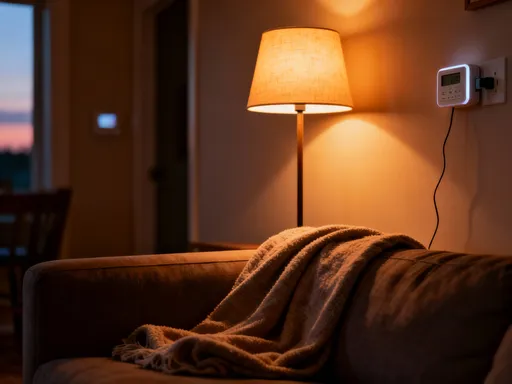
Your screen isn’t the only thing that affects your comfort at night—your surroundings matter just as much. Think about it: even if your phone is in perfect night mode, if you’re lying in total darkness with the screen the only light source, your eyes are still working hard. That high contrast—bright screen, dark room—is one of the biggest causes of eye strain. A simple fix? Add a soft, warm light to the space. A bedside lamp with a warm bulb, a salt lamp, or even a dimmable wall sconce can make a big difference. The goal isn’t to flood the room with light, but to reduce the contrast so your eyes can relax.
Posture is another often-overlooked factor. How many times have you woken up with a stiff neck or sore shoulders after scrolling in bed? Holding your phone up in front of your face for long periods puts strain on your neck and shoulders—what some call ‘text neck.’ A simple solution? Prop your phone up. Use a small stand, a book, or even a folded towel to rest it at eye level. That way, you’re not craning your neck down, and your arms don’t have to hold the weight. You’ll be surprised how much more comfortable you feel after just this one change.
Also, consider your position. If you’re lying flat on your back, you might be straining your eyes by looking up at the screen. Try propping yourself up with an extra pillow so you’re at a slight angle. This not only helps with neck alignment but also makes breathing easier, which supports relaxation. And if you share the bed with a partner, be mindful of the screen’s glow affecting them too. A lower brightness or a screen shield can help keep the peace for everyone.
These physical adjustments might seem small, but they work hand in hand with your digital changes. When your body is comfortable, your mind follows. And when your screen settings, lighting, and posture all support ease, your evening routine becomes something truly restorative—not just a habit, but a moment of care.
Making It Stick: Small Habits, Big Difference
Let’s be real—change doesn’t happen overnight. You might try turning on night mode, only to forget about it the next day. Or you might set a digital curfew, but one evening, you fall back into old patterns. That’s completely normal. The goal isn’t to be perfect. It’s to be aware, to care, and to keep trying. Every small step you take—whether it’s adjusting your brightness, choosing a gentler app, or simply putting the phone down a little earlier—is a win.
Start with one change that feels doable. Maybe it’s scheduling your night mode to turn on at 8 PM. Or switching to a dark theme in your favorite app. Or just taking a moment to notice how your eyes and mind feel after scrolling. You don’t have to overhaul everything at once. In fact, small, consistent changes often stick better than big, dramatic ones. And as you build these habits, you’ll start to notice the benefits—not just in your sleep, but in your mood, your focus, and your sense of balance.
Remember, technology is a tool. It’s meant to serve you, not control you. And in the quiet hours of the evening, when you’re caring for yourself in small but meaningful ways, you’re making a powerful choice. You’re saying that your peace matters. That your rest matters. That you matter. And that’s one of the smartest, kindest things you can do—for your eyes, your mind, and your heart. So tonight, as you reach for your phone, take a breath. Make one gentle adjustment. And let your screen time become a part of your care, not a cost to it.