From Overwhelmed to Effortless: How Smart Transit Helped Me Reclaim My Commute
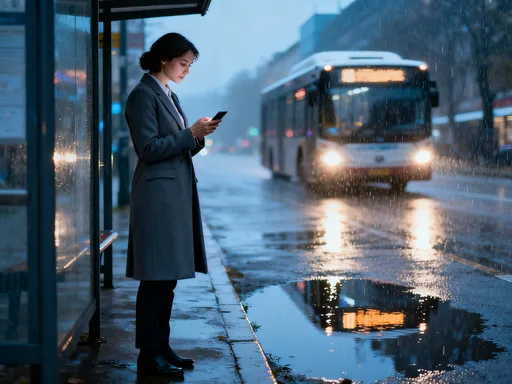
Ever stood at a bus stop, rain soaking your coat, wondering if you’d ever make it to work on time? I used to dread public transit—missed connections, confusing routes, constant uncertainty. But everything changed when I started using smart tools that turned chaos into calm. This isn’t about flashy tech; it’s about real relief. Now, my commute feels lighter, even productive. Let me show you how small digital helpers can transform something as ordinary as riding the bus into a smoother, saner part of your day.
The Daily Struggle: When Public Transit Feels Like a Puzzle
There was a time when my mornings began not with coffee or quiet, but with panic. I’d rush out the door, keys in one hand, lunch in the other, heart already racing. Would the train be on time? Did they change the schedule again? Was the bus delayed because of construction—again? I’d stand on the platform, checking my phone every 30 seconds, hoping for a clue, any clue, about when my ride would arrive. More than once, I showed up late to a meeting, damp from the rain and frazzled from stress, only to learn the train had been rerouted and no one had told me.
It wasn’t just the lateness that wore me down—it was the constant guessing, the mental load of trying to predict the unpredictable. I remember one winter morning, shivering at a stop with my daughter, who was wrapped in two coats and still complaining about the cold. The app said the bus was five minutes away. Ten minutes passed. Then fifteen. My daughter asked, “Mom, are we going to be late again?” I didn’t have an answer. That moment broke something in me. I realized: this wasn’t just inconvenient. It was stealing my peace, my time, and my energy—day after day.
And I know I’m not alone. So many of us live this way, quietly absorbing the chaos of unreliable transit. We don’t talk about it much, but it’s there—the low hum of anxiety before every trip, the extra buffer time we build into our schedules “just in case,” the frustration when plans fall apart because the train broke down. These aren’t small things. Over time, they chip away at our confidence, our patience, even our joy. We start to see the commute not as a transition between home and work, but as a battle we have to survive. But what if it didn’t have to be that way?
Discovering the Right Tool: Not Just an App, But a Lifeline
The turning point came on a particularly bad day. I’d missed a doctor’s appointment because the subway line was shut down for “unplanned maintenance”—a phrase that should come with a warning label. Sitting in my car, engine off, I searched online: “How do people actually keep up with public transit without losing their minds?” That’s when I found it: a simple transit assistant app recommended by a mom in a Facebook group I trust. She said it helped her get her kids to school, then herself to work, without the daily stress. I downloaded it that night, skeptical but desperate.
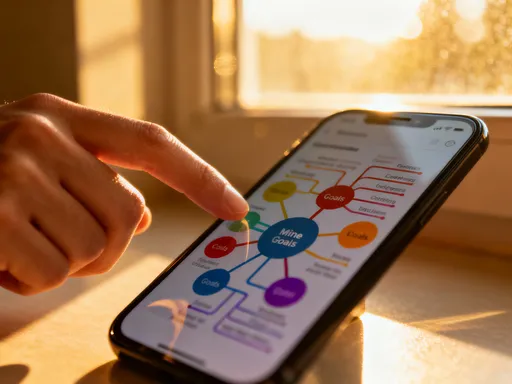
At first, I didn’t believe it would be different. I’d tried other apps—ones with cluttered screens, confusing icons, and updates that were always a few minutes behind. But this one felt different. It opened to a clean screen showing my usual routes. It asked, “Where are you going today?” in a friendly way, like a coworker checking in. And within seconds, it gave me a clear answer: “Your bus arrives in 4 minutes. Gate B. No delays.” I could hear the relief in my own breath.
What made it work wasn’t fancy features—it was reliability. The app used real-time data from the transit authority, not estimates. It updated instantly when a train was held or a bus rerouted. It even sent a quiet voice alert to my earbuds: “Your train is arriving two stops early. Head to the platform now.” No more guessing. No more second-guessing. Just clear, calm information. I started using it every day, and slowly, something shifted. I wasn’t bracing for disaster anymore. I began to trust the journey. And that trust gave me back something I hadn’t realized I’d lost: my confidence.
I won’t say it was love at first swipe, though. I tested a few apps before landing on this one. One had great maps but crashed constantly. Another promised AI-powered predictions but was always wrong. This one just… worked. It didn’t try to impress me with tech jargon or flashy graphics. It focused on one thing: helping me get where I needed to go, safely and on time. And in doing so, it became something more than a tool. It became a lifeline.
How It Works: Technology That Understands Real Life
You might be thinking, “Okay, but how does it actually work?” I used to wonder the same. I’m not a tech expert—I don’t care about algorithms or data sources. All I care about is whether it helps me in real life. And here’s how this one does: it acts like a co-pilot for your journey. Imagine having a calm, informed friend sitting beside you, quietly updating you on every step of your trip. That’s what this feels like.
Let’s walk through a typical morning. I wake up, check the app while brushing my teeth. It shows my usual train has a 3-minute delay due to a signal issue—but it also suggests an alternate route using a bus and a short walk. I tap “Use This Route,” and it maps everything out. As I head out, it sends a notification: “Leave now to catch the next bus.” On the way, it updates me: “Bus is running 2 minutes ahead. You’ll arrive at the transfer point at 8:17.” When I switch to the train, it confirms: “Your car is on the left. Door will open in 10 seconds.” It even reminds me to grab my umbrella if rain is forecasted at my destination.
The magic isn’t in any single feature—it’s in how they work together. Live tracking means I’m never left wondering. Disruption alerts give me a heads-up before I even leave the house. Multi-modal routing helps me combine bus, train, and walking in the smartest way. And the voice alerts? A game-changer when I’m carrying groceries or holding my daughter’s hand. I don’t have to stare at my phone. I can just listen.
And here’s the part I love most: it learns my habits. After a few weeks, it started suggesting my usual routes before I even typed them. It remembered that I take the later train on Thursdays because of my daughter’s piano lesson. It adjusted automatically when I added a new doctor’s appointment to my calendar. It wasn’t just reacting to me—it was anticipating my needs. That’s when I realized: this isn’t just technology. It’s thoughtful support, built into the rhythm of my life.
More Than Minutes Saved: Gaining Back Mental Space
The first thing I noticed was that I was arriving places calmer. No more rushing in with my coat half-on, breathless and flustered. But the deeper change? I stopped carrying that low-grade stress all day. Before, even after I got to work, I’d still feel the residue of the commute—the frustration, the “what ifs,” the energy it took to stay alert for problems. Now, that mental load is gone. And in its place? Space. Real, quiet space to think, to breathe, to just be.
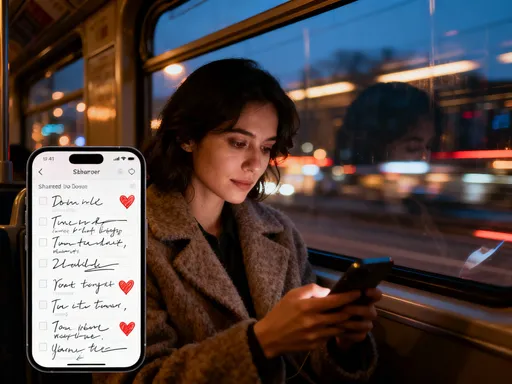
I started using my ride time differently. Instead of scrolling anxiously through news or checking the clock every two minutes, I began listening to audiobooks. I finished my first novel in months during my train rides. I started a podcast about mindfulness and actually practiced the breathing exercises while sitting on the bus. One morning, I just closed my eyes and listened to the hum of the wheels on the track, feeling the sun through the window. I hadn’t done that in years—just sat, peacefully, without rushing to the next thing.
And that peace followed me into the rest of my day. I was more patient with my daughter. I focused better in meetings. I even slept better at night, because my mind wasn’t still replaying the day’s transit drama. I realized that how we start our day shapes how we live it. When the commute stops being a source of stress, it becomes something else: a transition, a pause, a chance to prepare. That shift didn’t just save me time. It gave me back my sense of control.
Technology is often sold as a way to do more, faster. But for me, the real gift has been the opposite: the ability to do less, to slow down, to be present. This app didn’t make me busier—it made me calmer. And in a world that never stops moving, that’s a kind of self-care I didn’t know I needed.
Family and Connection: Sharing Calm, Not Chaos
One of the sweetest surprises was how this little tool improved my time with family. My sister lives in another city and visits a few times a year. In the past, her trips were always stressful—for both of us. I’d get texts: “Where are you?” “Did you get on the train?” “Is the bus running?” I’d be pacing, trying to track her down, both of us anxious. Once, she missed a connection and stood at the station for 40 minutes, cold and frustrated, while I drove in circles trying to figure out where she was.
Now, it’s different. Before she leaves, she shares her trip in the app with me. I get automatic updates: “Your sister’s train has departed.” “She’ll arrive at Central Station at 3:22.” “Her bus is boarding now.” No more guessing. No more frantic calls. When she arrives, I’m already waiting, coffee in hand, smiling. She says, “You’re never late anymore!” I laugh and say, “I’m just not guessing anymore.”
I even set it up for my parents, who don’t love technology. But they loved the idea of not getting lost when visiting the city. I showed them how to save their favorite routes—church, grocery store, my house—and now they use it without help. My mom calls it “my travel buddy.” She says it makes her feel independent, like she can still get around even if Dad isn’t feeling well. That matters. It’s not just about getting from A to B. It’s about dignity, confidence, and connection.
When we stop worrying about logistics, we make room for what really matters—being present with the people we love. No more “Where are you?” texts that carry an edge of stress. Just calm updates, warm reunions, and more time together. That’s the kind of tech I can get behind: the kind that doesn’t replace human connection, but protects it.
Building a Smarter Habit: Making It Stick Without Thinking
Let’s be honest—changing habits isn’t easy. I didn’t start using the app perfectly. At first, I’d forget to check it. Or I’d rely on old routines, like checking the physical schedule at the station. It took a few weeks to build the habit. But I found a few simple tricks that helped.
First, I set up a morning alert: “Check your commute” at 7:15 a.m. It pops up on my phone like a gentle nudge. Then, I linked it to my calendar. When I schedule a meeting or appointment, the app automatically suggests the best route and departure time. I also saved my most-used trips—work, school, grocery store—so I can pull them up with one tap. And I turned on voice alerts, which are a lifesaver when my hands are full. “Your bus is arriving in 2 minutes,” it says softly, and I know exactly what to do.
Customization made all the difference. I chose a simple theme—large text, high contrast—so it’s easy to read in sunlight. I added my daughter’s school as a favorite stop, so I can check her bus times when she’s riding alone. I even taught my sister how to use the family sharing feature, so we can track each other during trips. These small tweaks made the app feel personal, like it was made just for me.
Now, using it is automatic. I don’t think about it—I just do it, like brushing my teeth or locking the door. That’s the goal, isn’t it? Not to add another task, but to weave something helpful into the fabric of your day so seamlessly that it feels natural. That’s how technology should work: not as a distraction, but as a quiet, reliable helper.
A Lighter Life: What I’ve Gained Beyond the Commute
Looking back, I’m surprised by how much changed—just from one small shift. It wasn’t a big life overhaul. No drastic moves, no career changes. Just a simple tool, used consistently, that eased a daily burden. And yet, the ripple effects have been real. I have more patience. I’m less reactive. I feel more in control of my time and my energy.
I’ve noticed it at work—fewer mistakes, better focus, more confidence in meetings. I’ve noticed it at home—quieter mornings, more laughter, less yelling about being late. I’ve even noticed it in my sleep. Without that low hum of commute anxiety, my mind settles faster at night. I wake up feeling more rested, more ready.
But the biggest change? I feel lighter. Not physically, but emotionally. Like I’ve put down a backpack I didn’t realize I was carrying. The constant worry about timing, routes, delays—it’s gone. And in its place is a sense of ease, of flow. I’m not fighting my day anymore. I’m moving through it, calmly, clearly.
This isn’t about loving technology. I don’t care about the code or the servers or the updates. What I love is what this tool gives back: time, peace, presence. It’s not flashy. It doesn’t wow me. But it works. And sometimes, the most powerful tech is the one you don’t even notice—because it’s simply helping you live better, one smooth commute at a time.
If you’re still facing those rainy mornings, those missed connections, that daily dread—please, give yourself the gift of a better tool. Start small. Try one app. Set one alert. See how it feels to know, truly know, when your bus is coming. You might be surprised at how much more than time you gain. You might just get your calm back. And from there, who knows? A lighter commute might just lead to a lighter, brighter life.