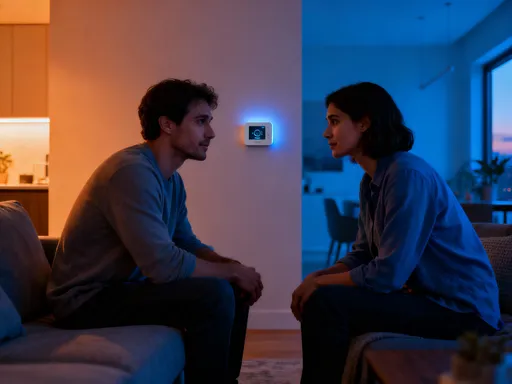
I just want a cozy evening without the guilt: How smart tweaks cut my bills and kept the comfort
You know that moment—crawling onto the couch after a long day, craving warmth, light, and just enough energy to unwind, but then that nagging thought hits: Is this comfort costing me too much? I felt it too—until I discovered small, smart changes that kept my evenings soft and peaceful without the monthly bill shock. It wasn’t about sacrifice. It was about shifting habits, using tech gently, and reclaiming ease—one calm night at a time. I didn’t want to live in the dark or freeze just to save a few dollars. What I wanted—what I think we all want—was to feel at home, truly at home, without that quiet anxiety humming in the background like an old refrigerator. And guess what? That’s possible. Not with big, dramatic changes, but with quiet, thoughtful tweaks that work with your life instead of against it.
The Evening Dilemma: Comfort vs. Cost
Let’s be honest—there’s something deeply comforting about coming home to a warm house, soft lighting, and maybe your favorite show already queued up. It’s the little things that make a space feel like ours. But for years, I’d find myself in the same cycle: winter evenings meant turning up the heat, flipping on every lamp, and lighting candles just to feel cozy. Then, a few weeks later, the utility bill would arrive, and that cozy feeling would vanish in a flash. I’d stare at the number, heart sinking, wondering how I could’ve used so much energy. Was I being wasteful? Should I have just stayed cold?
That guilt started to taint the very comfort I was trying to create. I began to associate warmth with expense, light with waste. I’d walk through the house turning off lamps, adjusting the thermostat down a few degrees, and reminding myself not to run the dishwasher after dinner. But here’s the thing—none of that made me feel better. In fact, I felt more stressed. I wasn’t saving energy by being mindful; I was sacrificing peace for the sake of a lower number on a bill. That’s when I realized I needed a different approach. I didn’t want to choose between comfort and cost. I wanted both. And that’s when I started to look at how small, smart technology could actually help me have it all—without the trade-offs.
I began to ask myself: What if I didn’t have to remember to turn things off? What if my home could adjust itself to my rhythms instead of me constantly adjusting to it? What if technology wasn’t about complexity, but about making life simpler, quieter, and more in tune with how I actually live? That shift in mindset—from restriction to support—was the real turning point.
Small Shifts, Big Feel: Rethinking Evening Routines
The truth is, most of us don’t need a complete overhaul of our homes to save energy. We just need to make a few thoughtful changes that align with how we already live. I started by paying attention to my evening routine. What time did I usually get home? When did I turn on the lights? Did I really need every room lit up? I noticed that I often walked into a dark, cold house, cranked up the heat, and turned on every light out of habit—not because I needed them, but because it felt like the only way to feel welcome.
So I began experimenting. Instead of walking into a cold house, I tried setting the thermostat to warm up the living room about 30 minutes before I got home. At first, it felt strange—like I was letting the house do the work for me. But then I walked in one winter evening, and the air was just warm enough. No blast of heat, no dryness, just a gentle embrace. I didn’t have to rush to the thermostat. I didn’t have to bundle up in a blanket. The house felt ready for me. That small change didn’t just save energy—it changed my entire mood. I arrived feeling cared for, not stressed.
Another shift was with lighting. I started using dimmer switches in the living room and bedroom. Instead of flipping on bright overhead lights, I’d set them to about 50% brightness in the evening. The effect was immediate: the space felt calmer, more intimate. I didn’t need to light up every corner to feel safe or comfortable. In fact, the softer light helped me relax faster. I also began turning off lights in rooms I wasn’t using—something that sounds simple, but I’d been terrible at before. Now, with a few smart habits, it became second nature. These weren’t big sacrifices. They were small acts of kindness—to my wallet, to my home, and to myself.
Smart Thermostats: Your Home’s Gentle Reminder
If there’s one tech upgrade that made the biggest difference in my home, it’s the smart thermostat. I’ll admit—I was skeptical at first. I thought it would be complicated, or that I’d lose control over my heating and cooling. But what I discovered was quite the opposite. A smart thermostat doesn’t take control away; it gives it back. It learns your routine, notices when you’re home or away, and adjusts the temperature just enough to keep you comfortable—without wasting energy.
Here’s how it changed my evenings: I used to come home to a cold house and turn the heat all the way up, hoping it would warm up fast. But that meant the system worked overtime, using more energy than necessary. Now, my thermostat knows when I’m on my way home. It starts warming the house about 20 minutes before I arrive. By the time I walk in, the temperature is just right—no waiting, no overcompensating. It’s like the house is saying, “Welcome back. I’ve been waiting for you.”
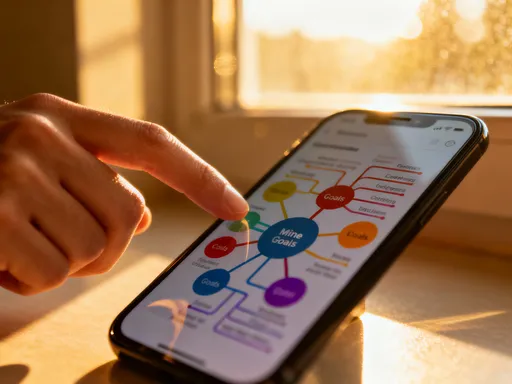
And at night? It automatically lowers the temperature when I go to bed. I sleep better in a slightly cooler room, and I don’t have to remember to adjust anything. The thermostat does it for me. Over time, I’ve seen a noticeable drop in my heating bills—around 15 to 20%, according to the app. But more than the savings, I love the peace of mind. I don’t have to worry about whether I left the heat on all day. I can check the temperature from my phone, adjust it remotely, or just let it do its thing. It’s not about being high-tech—it’s about being thoughtful. It’s like having a quiet helper who knows your rhythms and helps you live more comfortably, without the guilt.
Lighting That Understands Mood (Not Just Motion)
Lighting does more than help us see—it shapes how we feel. I didn’t realize how much my lighting choices were affecting my evenings until I started paying attention. Bright, white lights in the evening were actually making it harder to wind down. They kept my brain alert, like it was still daytime. I’d sit on the couch trying to relax, but my mind was still buzzing. That’s when I learned about color temperature and how it impacts our circadian rhythms.
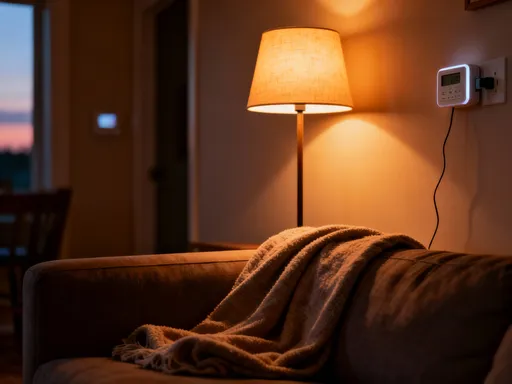
I switched to smart bulbs that let me adjust the color and brightness. In the evening, I set them to a warm, amber glow—similar to candlelight or a sunset. The difference was instant. The room felt softer, more inviting. My body started to recognize that it was time to slow down. I wasn’t forcing relaxation; I was creating the right conditions for it. I also set schedules so the lights would gradually dim an hour before bedtime. It’s like a gentle nudge that says, “It’s almost time to let go of the day.”
And yes, these bulbs can turn off automatically. I used to leave lights on in the kitchen, hallway, or guest room without even realizing it. Now, if I forget, the system turns them off at a set time. No more walking through the house at night, playing detective with the light switches. I also set up motion-activated lighting in the bathroom and closet, so they only turn on when needed. It’s not about surveillance—it’s about convenience and conservation. The best part? I can control everything from my phone or with a simple voice command. “Hey, set the living room to cozy.” And just like that, the mood shifts. It’s not magic. It’s just smart design that respects how we live and feel.
Plugs, Power, and the Phantom Load You Didn’t Notice
Here’s something that surprised me: even when devices are turned off, many of them are still using power. This is called “phantom load” or “vampire power,” and it can add up over time. I had no idea how much energy was being wasted by things like my coffee maker, TV, soundbar, phone chargers, and even my Wi-Fi router. They weren’t doing anything—they were just plugged in. But they were still drawing small amounts of electricity, 24 hours a day.
When I calculated it, the numbers were eye-opening. That little red light on my coffee maker? It was using energy every single night. The TV on standby? Still pulling power. Over a month, this invisible drain added about $15 to my electric bill. Over a year, that’s nearly $200—just for devices doing nothing. I felt like I’d been robbed by my own appliances.
The solution? Smart plugs. I started with one—just one—plugged into my entertainment center. I set it to turn off automatically at 11 p.m. every night and turn back on at 6 a.m. The TV, soundbar, and game console were all connected to it. Now, when I go to bed, the plug cuts power to everything unless I override it. I don’t have to unplug anything. I don’t have to remember. It just happens. I did the same with my kitchen counter—plugging in the coffee maker, toaster, and blender. They only get power in the morning, when I actually use them.
The savings might seem small at first, but they’re consistent. And more than that, I feel more in control. I’m not fighting my habits—I’m working with them. I still enjoy my morning coffee, my evening shows, my music. But now, my home respects my energy use even when I’m not thinking about it. That’s the beauty of these small tools—they operate quietly in the background, doing the work so I don’t have to.
The Ripple Effect: Calmer Evenings, Clearer Mornings
Here’s what I didn’t expect: saving energy didn’t just lower my bills. It changed how I felt in my home. The constant low-level stress about overspending started to fade. I wasn’t dreading the next bill. I wasn’t walking around turning things off like a nervous housekeeper. Instead, I began to feel a sense of calm, a quiet confidence that my home was working for me, not against me.
My evenings became more predictable, more peaceful. I’d come home to a warm space, soft lighting, and a house that felt ready for rest. I wasn’t fighting with my environment—I was settling into it. And that carried over into the next day. I woke up feeling more refreshed, less burdened by the mental load of managing every little thing. I had more mental space to focus on what mattered—my family, my hobbies, myself.
There’s a rhythm to life, and when your home supports that rhythm, everything feels easier. I didn’t set out to become an energy expert. I just wanted to feel good in my own space. But in making these small changes, I discovered something deeper: mindfulness about energy use is also mindfulness about life. It’s about intention. It’s about creating a home that nurtures you, not one that drains you. And when your home feels aligned with your values—comfort, care, balance—everything else starts to feel a little more manageable.
Starting Small: Building Habits That Last
If you’re thinking about making changes like these, my advice is simple: start with one thing. Don’t try to automate your whole house overnight. Pick one room, one habit, one device. Maybe it’s setting your thermostat to adjust before you get home. Maybe it’s switching to warm-toned bulbs in the bedroom. Maybe it’s plugging your TV into a smart plug and setting it to turn off at night. Just one step.
The key is consistency, not perfection. Some days, you might forget to check the app. Some nights, you might override the schedule because you’re watching a late movie. That’s okay. These tools aren’t about control—they’re about support. They’re there to help you when you need them, not to judge you when you don’t.
Think of it like building a new routine—like starting a walking habit or drinking more water. It takes time. But over weeks and months, those small actions add up. You’ll start to notice the difference not just in your bills, but in how you feel. You’ll walk into your home and feel that warmth, that welcome, that sense of ease. And you’ll know—you don’t have to choose between comfort and cost. You can have both.
Technology doesn’t have to be cold or complicated. When used thoughtfully, it can be warm, gentle, and deeply human. It can help us create the kind of evenings we’ve always wanted—soft, quiet, and free from guilt. Not because we’re doing without, but because we’re doing better. One small tweak at a time, we can build homes that care for us—and for the world around us. And really, isn’t that the kind of comfort we all deserve?