More Than Security: How a Visitor System Helped Me Connect During the Holidays
Family gatherings, cheerful doorbells, and the warm chaos of holiday visits—yet managing who’s coming and going often feels overwhelming. I used to stress over guest lists, forget to notify my parents, or miss welcoming someone special. Then I tried a simple visitor management system, not for security alone, but to create smoother, more meaningful moments. It didn’t just track entries—it helped me host with calm, stay present, and even spark new friendships during the busiest season. What started as a practical decision quietly transformed how I experience connection at home, especially when it matters most.
The Holiday Hustle: When Warm Welcomes Get Lost in the Chaos
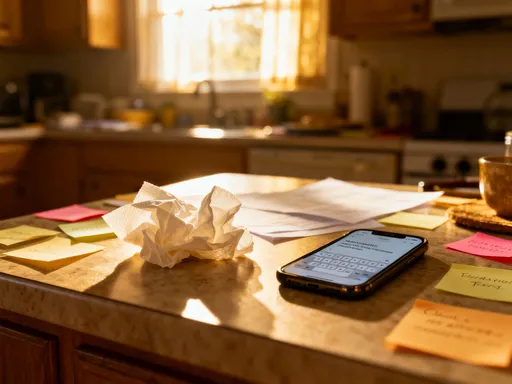
Every year, I look forward to the holidays with both excitement and a little dread. There’s something so beautiful about opening your home to loved ones—the laughter spilling into the hallway, the smell of cinnamon rolls baking while kids chase each other through the living room. But behind the scenes, there’s another story: the frantic texts, the double-booked arrival times, the cousin who shows up an hour early only to stand outside, unsure if anyone knows they’re here. I remember one Christmas Eve when my cousin Maya arrived with her newborn. I was in the kitchen, buried in pie crusts and last-minute phone calls. No one heard the doorbell. She waited outside for nearly twenty minutes, holding a sleeping baby and a dish she’d spent all day preparing. By the time I finally opened the door, her smile was tight, her arms tired. I felt awful. It wasn’t just about missing the doorbell—it was about missing the moment. That year, I realized my home, which was supposed to be a place of warmth and ease, had become a logistical puzzle I was failing to solve. The very thing meant to bring us closer—gathering together—was creating small fractures of miscommunication and stress.
It wasn’t just Maya. There were friends who left early because they thought they weren’t expected, neighbors who hesitated to drop off cookies, and elderly relatives who worried about whether someone would remember to let them in. The constant mental load of tracking arrivals, answering the door mid-conversation, or guessing who might be outside wore me down. I wanted my home to feel open and welcoming, not like a fortress with a harried guard. I began to wonder: what if there was a way to make hosting easier—not by doing more, but by doing less? What if technology could handle the small stuff so I could focus on what really mattered—being present with the people I love?
From Locks to Love: Rethinking What Home Safety Really Means
When I first heard about visitor management systems, I thought they were for office buildings or apartment complexes—cold, corporate tools meant to keep people out. The idea of installing something like that in my home felt strange, even a little impersonal. I didn’t want my house to feel like a secured facility. But then I started to see these systems differently. What if safety wasn’t just about locks and alarms, but about peace of mind? What if it wasn’t about exclusion, but about making entry smoother for the people we care about?
I realized that the old way of thinking about home security was outdated. Yes, we need to protect our families, but protection shouldn’t mean isolation. It should mean confidence—knowing that the right people can come in easily, and that we’ll always know when they do. That’s when I reframed the visitor system as a tool for connection, not control. Instead of a gatekeeper, I began to think of it as a digital front porch—a quiet, thoughtful presence that helps us greet people with warmth, not worry. It’s like having a friendly voice that says, “Your sister’s here,” or “The kids’ friend just arrived,” so you’re never caught off guard. It doesn’t replace human connection; it makes space for it by handling the background noise.
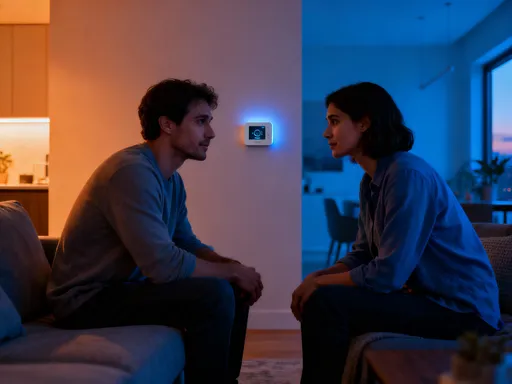
And honestly, it changed how I felt about my home. The system didn’t make my house colder—it made it calmer. I wasn’t constantly jumping at every sound, wondering if I should check the door. Instead, I could trust that I’d be notified the moment someone arrived. That small shift—from anxiety to awareness—freed up so much mental energy. I started to see that real safety isn’t just physical. It’s emotional. It’s knowing you can relax because the details are taken care of. And when you feel safe, you can be more open, more generous, more yourself.
First Impressions, Made Easier: How the System Welcomed My New Friend
One rainy afternoon in December, my friend Lisa called to say her neighbor—someone she’d been meaning to introduce me to—was going to drop by with a batch of homemade biscotti. “Her name is Elena,” Lisa said. “She’s new to the neighborhood and a little shy. I told her you wouldn’t mind.” I said of course not, but inside, I panicked a little. What if I was in the shower? What if the kids were loud and the house was a mess? What if she rang and no one answered, and she left feeling awkward?
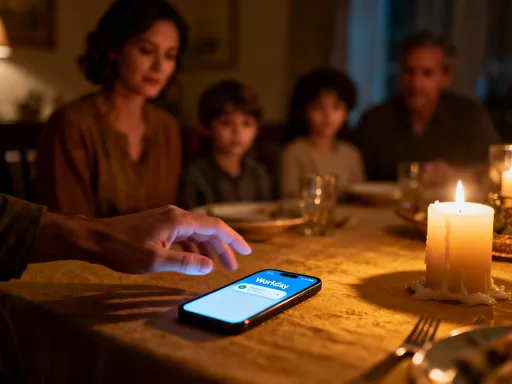
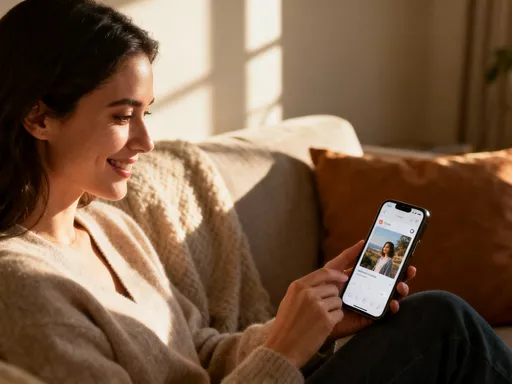
Then I remembered the visitor system. I asked Lisa to send me Elena’s name and phone number, and I created a guest pass—just a simple digital invitation that would let her in at the scheduled time. I set a notification for when she arrived. When the alert popped up on my phone—“Elena Martinez has arrived”—I was folding laundry, but I dropped everything. I walked to the door, opened it with a real smile, and said, “Elena! So glad you’re here. I’ve been looking forward to meeting you.” I had tea already warming on the stove. She looked surprised, then touched. “I didn’t expect to be greeted like I was expected,” she said, laughing. That small moment—being welcomed, not just admitted—changed everything. We ended up talking for hours. She stayed for dinner. Now, months later, she’s part of our holiday rotation, one of the first to text “On my way!” with a heart emoji.
That experience taught me something important: hospitality isn’t just about food or space. It’s about making people feel seen. The visitor system didn’t create that connection, but it made it possible. It removed the friction of uncertainty—on both sides. Elena didn’t have to wonder if she was intruding. I didn’t have to worry about missing her. Technology didn’t replace the human touch; it protected it. And in doing so, it helped grow our circle in a way I never expected.
Less Stress, More Presence: The Quiet Gift of Being "In the Moment"
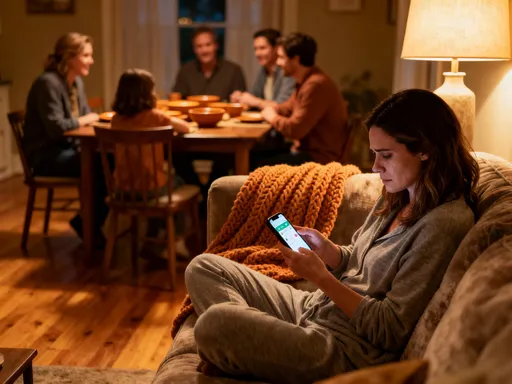
One of the most unexpected benefits of the visitor system was how much quieter my mind became. I used to be the kind of host who was never really *in* the party. I was always half-listening to a conversation while checking the driveway, or cutting cheese while glancing at the security camera feed. My body was in the room, but my attention was scattered. I’d miss punchlines, forget what people said, and end the night exhausted, not from joy, but from constant vigilance.
With the visitor system, I stopped being the door monitor. No more jumping up every time the bell rang. No more guessing who might be outside. The system handled check-ins automatically—sending me a name, a photo, and a gentle chime when someone arrived. I could choose when to answer, or let trusted guests in with a tap. That small change gave me back something priceless: presence. I could stay in the kitchen laughing with my sister while the kids played in the next room. I could sit with my mom and really listen to her stories instead of half-watching the front path. I even took a nap during a party once—something I never would have dared before—because I knew I wouldn’t miss anyone important.
And the guests noticed. “You seem so relaxed this year,” one friend said. “It makes the whole house feel lighter.” I realized that my stress had been contagious. When I was anxious, the energy in the room shifted. But when I was calm, everyone else could relax too. The visitor system didn’t just help me manage arrivals—it helped me reclaim my role as a host: not a manager, but a connector. I wasn’t just running the event; I was part of the joy. That shift—from control to connection—was the real gift of the season.
Bridging Generations: When My Parents Finally Felt at Ease
My parents have always been loving, but cautious. As they’ve gotten older, they’ve become more anxious about safety—especially when visiting us. They’d call ahead to make sure someone would be home to let them in. They’d hesitate to come early or stay late, not wanting to be a burden. I could see the tension in their faces when they arrived, as if they were apologizing for existing. It broke my heart. I wanted them to feel like this was their home too, not a place they had to schedule and announce themselves into.
So I showed them the visitor system. At first, they were skeptical. “Another app?” my dad said, holding his phone like it might bite. But I walked them through it—how they’d get a notification when their grandkids were arriving, how they could see a photo of the babysitter before letting her in, how they could let themselves in with a code if they came early. I set up a simple dashboard on my mom’s phone—just big buttons, clear names, and photos. Within a week, they were using it on their own.
The change was subtle but profound. Last month, my son’s friend came over after school. My mom saw the alert—“Liam from soccer, pre-approved”—and let him in with a smile. “I didn’t have to call you or guess,” she told me later. “I knew it was okay.” And when my parents arrived for a weekend visit, they used their access code and walked right in. No knocking, no waiting. They found me reading in the living room and sat down like they belonged—which, of course, they did. That small act of independence gave them back dignity. They weren’t visitors who needed supervision; they were family who were trusted. And that trust made all the difference. For the first time in years, I saw them truly relax in our home. They played games with the kids, stayed up late talking, and even offered to host next Thanksgiving. The system didn’t just connect devices—it connected generations.
Beyond the Door: Building Community One Visit at a Time
What surprised me most was how the visitor system began to change the rhythm of our everyday life, not just the holidays. Neighbors started dropping by more often. “I saw you were home,” one said, “and I brought over some soup.” Friends began staying longer because they didn’t feel like they had to rush before the door locked behind them. We started having impromptu coffee mornings, book swaps, and even a weekly dinner rotation with three other families on the block. The system didn’t create these moments, but it made them easier to happen.
There’s a rhythm to community—small, repeated interactions that build trust over time. A wave from the driveway. A shared garden harvest. A quick hello at the mailbox. The visitor system supported that rhythm by removing the friction of access. People didn’t have to call first. They didn’t have to worry about being a bother. They could just *come*. And when coming is easy, connection becomes natural. I started to see our home not as a private fortress, but as a node in a network of care—a place where people felt invited, not just permitted.
One evening, a young woman from down the street knocked—well, she didn’t really knock, she used her guest code. She had a stack of library books and a shy smile. “I saw you were home,” she said. “I’m studying for my nursing exam and the silence at my place is… not silent. Is it okay if I study here for an hour?” Of course it was. We made tea. She stayed for two hours. Now she comes every week. Her name is on the system. Her favorite mug is in the cupboard. She’s not just a neighbor—she’s part of our circle. That’s the kind of belonging that doesn’t happen overnight. But it can start with something as simple as a door that knows when to open.
A Smarter Home, Not a Smarter Gadget: What Truly Made the Difference
Looking back, I realize the visitor system didn’t change my home because it was high-tech. It changed it because it was low-drama. It didn’t impress me with flashy features or complex settings. It didn’t demand my attention. In fact, the best part was how invisible it became. I stopped noticing the alerts after a while. I didn’t think about the camera or the code. It just worked—quietly, reliably, like a good friend who shows up without making a scene.
That’s when I understood: the best technology isn’t the one that shouts for attention. It’s the one that lets life breathe. It doesn’t replace human warmth—it protects it. It doesn’t automate connection; it removes the barriers to it. The system didn’t make me a better host. It just helped me be more myself—present, calm, open. And in a world that often feels rushed and disconnected, that’s a rare and precious thing.
So if you’re like I was—juggling guest lists, missing doorbells, feeling stretched too thin this holiday season—know this: you don’t have to choose between security and warmth, between control and connection. You can have both. You can create a home that’s safe *and* open, structured *and* spontaneous, protected *and* welcoming. It starts with a simple shift: seeing technology not as a gadget, but as a gesture of care. A way to say, “I’m ready for you.” A way to mean it. Because in the end, the most important thing we can offer someone isn’t a perfect house or a flawless party. It’s the quiet assurance that they are seen, they are expected, and they belong. And sometimes, it takes a little tech to help us say it without saying a word.