How I Rebuilt My Heart Health—Simple Moves That Actually Work
Heart health used to be the last thing on my mind—until a wake-up call changed everything. I’m not a doctor, but after working with specialists and testing small, science-backed changes, I saw real improvements. This isn’t about extreme fixes or miracle cures. It’s about practical, doable steps that support your heart every day. If you’ve ever felt overwhelmed by where to start, this is for you. The journey wasn’t dramatic or fast, but it was steady, grounded in evidence, and deeply personal. Over time, these choices didn’t just lower numbers on a chart—they brought back energy, confidence, and a sense of control I didn’t know I’d lost.
The Moment Everything Changed
It wasn’t a heart attack or an emergency room visit that shifted my perspective. It was a routine check-up. At 48, I considered myself healthy—no chest pain, no hospitalizations, no obvious red flags. But the numbers told a different story. My blood pressure hovered in the prehypertensive range, my LDL cholesterol was creeping up, and my doctor mentioned something I hadn’t fully grasped before: silent risk. I wasn’t sick, but I wasn’t safe either. Cardiovascular disease often develops quietly, over years, without loud symptoms. The realization was unsettling. I had been prioritizing everyone and everything—work, family, home—except my own long-term well-being.
What struck me most wasn’t fear, but regret. I thought about my mother, who had her first stent placed at 55. I thought about missed walks with my daughter because I was too tired. The emotional weight wasn’t just about living longer—it was about living better. Quality of life began to feel fragile, something I couldn’t assume would last. That appointment became a turning point, not because of a crisis, but because of clarity. I wasn’t broken, but I was at a crossroads. I could continue ignoring the subtle signals, or I could start making choices that honored my heart’s future. I chose the latter—not out of fear, but out of care.
Working with a cardiologist and a cardiac rehabilitation specialist, I learned that early intervention is powerful. Small changes, made consistently, can alter the trajectory of heart health. The goal wasn’t perfection but progress. I didn’t need to overhaul my life overnight. I needed sustainable habits that fit into the rhythm of my days. This mindset—patient, persistent, and purposeful—became the foundation of everything that followed. The journey wasn’t about fixing a problem in crisis, but about building resilience before one arrived.
Why the Heart Is More Than Just an Engine
For years, I thought of the heart as a simple pump—an automatic machine that either worked or didn’t. I didn’t realize it was also a muscle, one that responds to how we treat it. Just like the muscles in your arms or legs, the heart strengthens with use and weakens with neglect. But unlike other muscles, you can’t see it working, so it’s easy to overlook its needs. Modern life often treats the heart like a background process—always running, rarely noticed—until something goes wrong. The truth is, cardiovascular health isn’t passive. It’s shaped daily by movement, stress, food, and rest.
One of the most important lessons I learned was the difference between being fit and being heart-healthy. You can be active—walking, gardening, doing household chores—and still carry hidden risks if your blood pressure is high, your arteries are stiffening, or your body is under chronic stress. Fitness is about endurance and strength; heart health is about resilience and regulation. This distinction led me to the concept of cardiovascular reconditioning: the intentional practice of training your heart to function more efficiently, not just survive, but thrive.
Reconditioning isn’t about pushing harder—it’s about supporting better. It means improving blood flow, lowering inflammation, and enhancing the heart’s ability to respond to stress without overreacting. It involves the entire cardiovascular system, from the elasticity of blood vessels to the balance of electrolytes in the bloodstream. The good news? This kind of reconditioning doesn’t require extreme measures. It happens through consistent, modest choices—like walking regularly, managing stress, and eating more whole foods. Over time, these actions help the heart work with less strain, reducing wear and tear on the entire system.
Walking: The Most Underrated Rehab Tool
When I first started, the idea of exercise felt intimidating. Gyms, weights, heart rate zones—it all seemed too technical, too intense. But my doctor’s advice was simple: start with walking. Not power walking, not hiking uphill—just walking. I began with ten minutes a day, usually after lunch, around my neighborhood. At first, I focused on consistency, not speed or distance. The goal wasn’t to burn calories but to get my heart used to movement. Within weeks, I noticed small shifts: less shortness of breath, more energy in the afternoons, a calmer mind.
As my stamina improved, I increased to 30 minutes most days. I learned to pay attention to my posture—shoulders relaxed, arms swinging gently, steps even and rhythmic. I discovered that walking wasn’t just physical; it was meditative. The steady pace helped quiet my thoughts, and the fresh air improved my mood. I started noticing changes in my resting heart rate, which dropped from the mid-80s to the low 70s within a few months. That number mattered—not because it was perfect, but because it reflected improvement.
Walking also taught me about pacing. I used to rush through everything, including exercise. But walking showed me the value of rhythm. A steady, sustainable pace puts less strain on the heart than short bursts of intensity. It improves circulation, lowers blood pressure, and enhances oxygen delivery to tissues. Studies show that regular walking can reduce the risk of heart disease by up to 30%, especially when done consistently over time. For me, it became the cornerstone of my routine—not flashy, not difficult, but deeply effective. It proved that the simplest movements can have the most lasting impact.
Breathing Techniques That Calm the Cardiovascular System
One of the most surprising tools I discovered wasn’t physical at all—it was breath. I had always associated breathing with survival, not healing. But I learned that how we breathe directly affects the heart. When we’re stressed, our breath becomes shallow and rapid, triggering the sympathetic nervous system—the “fight or flight” response. This increases heart rate, tightens blood vessels, and raises blood pressure. Over time, chronic stress can wear down the cardiovascular system, even in otherwise healthy people.
Diaphragmatic breathing—deep, slow breaths from the belly—activates the parasympathetic nervous system, the body’s natural calming system. This improves heart rate variability (HRV), a key marker of heart resilience. Higher HRV means the heart can adapt more easily to stress, which is linked to better long-term outcomes. One technique I adopted was the 4-7-8 method: inhale for four counts, hold for seven, exhale for eight. I practiced this for five minutes each morning and before bed. At first, it felt awkward, but within weeks, it became a ritual.
The effects were subtle but real. I noticed my resting heart rate became more stable. I felt less reactive to daily stressors—fewer moments of tension in my chest, fewer spikes in blood pressure. Breathing exercises didn’t erase life’s challenges, but they gave me a way to respond without my heart paying the price. I also began to understand the connection between emotional well-being and heart health. Calm breath led to calm thoughts, which led to a calmer cardiovascular system. It was a reminder that heart health isn’t just about what we do with our bodies, but how we manage our minds.
Strength Training Without the Gym Hype
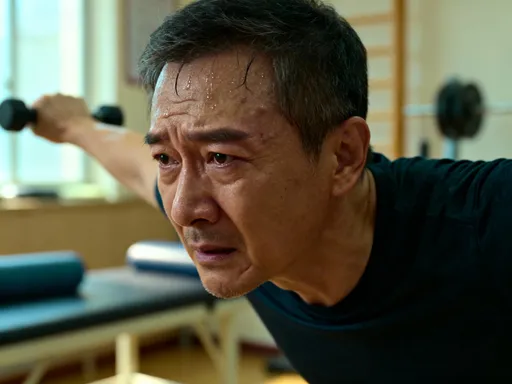
I used to think strength training was for athletes or people trying to build muscle. I didn’t see how it related to heart health. But I was wrong. Building muscle, even gently, improves circulation, helps regulate blood sugar, and supports healthy blood pressure. The key is to focus on controlled, low-impact movements that build endurance without spiking strain. I started at home with bodyweight exercises—wall push-ups, chair squats, step-ups on the bottom stair. I used light resistance bands for arm curls and rows, never pushing to exhaustion.
What mattered most was form and consistency. I did two short sessions a week, about 15–20 minutes each. I focused on slow, deliberate motions, breathing steadily throughout. I avoided holding my breath—a common mistake that can cause sudden blood pressure spikes. Instead, I exhaled during exertion, like when standing up from a squat. Over time, I noticed improvements in balance, posture, and daily function. Carrying groceries, climbing stairs, getting up from the couch—all became easier.
Strength training also helped with body composition. As muscle mass increased slightly, body fat decreased, which supported better cholesterol levels and insulin sensitivity. The American Heart Association recognizes moderate strength training as beneficial for cardiovascular health when done safely. For me, it was about building functional strength—enough to support my heart, not impress anyone at the gym. I learned that fitness doesn’t have to be loud or intense to be effective. Quiet, consistent effort can recondition the heart just as powerfully as high-intensity workouts—without the risk.
Food Tweaks, Not Overhauls
I won’t pretend I transformed my diet overnight. I didn’t eliminate entire food groups or adopt trendy eating plans. Instead, I focused on small, sustainable tweaks. The biggest change was reducing processed foods—those convenient snacks full of hidden sodium, sugar, and unhealthy fats. I swapped packaged cookies for a handful of almonds, soda for sparkling water with lemon, and frozen meals for simple meals made with fresh ingredients. These weren’t restrictions; they were upgrades.
I also increased my fiber intake by adding more vegetables, whole grains, and legumes to my plate. Fiber helps lower LDL cholesterol, the “bad” kind that can build up in arteries. I didn’t count grams or track every meal. I just made sure there was color on my plate at every meal—greens, reds, oranges. I learned to read labels, not obsessively, but enough to avoid products with long ingredient lists full of unpronounceable words. Sodium was another focus. I began using herbs and spices instead of salt, and gradually, my taste buds adjusted.
Over time, these changes led to better energy, less bloating, and improved lab results. My LDL came down, and my HDL—the “good” cholesterol—rose slightly. I didn’t do this perfectly. There were weekends with pizza, holidays with desserts. But progress, not perfection, became my mantra. The Mediterranean-style eating pattern, rich in plants, healthy fats, and lean proteins, became my guide. It wasn’t a diet; it was a way of eating that felt nourishing, not punishing. And that made all the difference.
Tracking Progress—Without Obsessing Over Numbers
In the beginning, I checked my blood pressure daily, wore my fitness tracker constantly, and weighed myself every morning. But I quickly realized that obsession could be counterproductive. Numbers fluctuate—stress, sleep, hydration, even the time of day can affect them. I shifted my focus from daily extremes to long-term trends. I used my wearable to track resting heart rate over weeks, not minutes. I checked blood pressure once or twice a week, noting patterns rather than single readings.
I also started journaling—something I never expected to do. I wrote about how I felt: energy levels, sleep quality, mood, and even small victories, like walking an extra block or choosing a salad over fries. These non-scale victories became powerful motivators. They reminded me that heart health isn’t just about metrics—it’s about how you feel in your body and mind. I celebrated consistency, not perfection. If I missed a walk, I didn’t berate myself. I just resumed the next day.
This mindset helped me stay patient. Heart reconditioning takes time. Changes in blood pressure, cholesterol, and fitness don’t happen overnight. But over six months, the trends became clear: lower resting heart rate, better sleep, more stamina, improved lab results. I wasn’t chasing a number—I was building a healthier relationship with my body. And that, I realized, was the real goal.
Putting It All Together—A Sustainable Routine
Looking back, I see that no single change saved my heart. It was the combination—the daily walk, the morning breathwork, the gentle strength training, the mindful eating, the attention to rest and recovery. Together, they created a rhythm that supported my cardiovascular system in ways I hadn’t imagined. I didn’t need a miracle. I needed consistency, patience, and self-compassion.
Today, heart health isn’t something I fear or fix—it’s something I nurture. It’s part of my daily life, woven into the small choices I make. I still see my doctor regularly, get blood work done, and listen to my body. But I no longer feel helpless. I know that even modest, consistent actions can transform heart health over time. You don’t need to be perfect. You don’t need to do it all at once. You just need to start—wherever you are, with whatever you can do.
Rebuilding heart health isn’t a short-term project. It’s a lifelong commitment to yourself. It’s about showing up, day after day, with kindness and care. And if I can do it, so can you. The heart is resilient. With the right support, it can heal, strengthen, and carry you forward—for years to come.